

Increase text size: A A A

Type in the condition you need,
or visit Advanced Search

Print this page

Email this to a friend

Save to my Health Library

Nutrition and Weight Control Special Report

The Wisdom of Cutting Back on Salt

Americans love salt. On average, we consume twice the recommended daily maximum intake of 2,300 mg of sodium each day, which is 10 to 20 times what is needed for normal body function. Our bodies do need some salt -- but not that much. Here’s what you should know.

Excessive sodium intake causes constriction of small arteries throughout the body and retention of water, which increases the volume of blood to your arteries and veins. These effects can raise blood pressure and cause hypertension, the most important risk factor for a stroke.

Hypertension (high blood pressure) is also a major risk factor for coronary heart disease, the number one cause of death in the United States. Cardiovascular disease, the umbrella term for all diseases of the heart and blood vessels including heart disease, hypertension, and stroke, claims the lives of about 850,000 people yearly. Hypertension also contributes to heart failure, kidney disease, and vision loss. About 73 million American adults have hypertension, defined as a systolic blood pressure of 140 mm Hg or higher and/or a diastolic blood pressure of 90 mm Hg or more.

Most individuals can benefit from reducing the sodium content of their diet. If you already have high blood pressure and are taking medication for it, cutting down on salt can help by making drug therapy more effective. Consuming less salt can reduce medication doses and even replace medication as a way to reduce high blood pressure.

If your blood pressure is normal, it's still worth cutting down on salt, because it may help reduce your chances of developing high blood pressure later in life. Even if you're 55 years old and have normal blood pressure, you still have a 90% chance of developing hypertension sometime later in life. And even if your blood pressure is normal, excess salt can increase the size and thickness of your heart and the stiffness of your arteries, setting the stage for heart disease.

When it comes to cutting sodium, putting away the salt shaker is hardly enough. The vast majority of salt we eat -- 80% -- comes from foods that are processed or served in restaurants. Only 10% of salt is added during home cooking or at the table. The remaining 10% of salt occurs naturally in foods. Try taking these steps to cut out some of the salt in your diet:

  • Eat fresh fruits and vegetables more often. They are naturally low in sodium and are good sources of potassium, which helps blunt the blood pressure-raising effects of sodium.
  • Choose processed and packaged foods with less sodium. Read labels carefully, since sodium is not always where you think. For example, salad dressings, cheese, breakfast cereals, store-bought cookies and breads, mayonnaise, and canned beans and vegetables can contain substantial amounts of sodium.
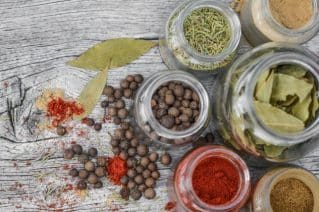
  • When cooking at home, skip the salt and instead flavor your food with pepper, herbs, spices, vinegar, wine, garlic, onion, lemon, and low-salt versions of mustard, ketchup, and Worcestershire sauce. Choose low- or reduced sodium broths and soups.
  • When dining out, ask the server to have your meal prepared without added salt. And of course, limit your consumption of fast foods and ethnic foods that are high in salt.

And finally: OJ Every Day -- Dietary potassium can help reduce the damage caused by sodium by dilating arteries and reducing blood pressure. The National Academy of Sciences advises adults to consume at least 4.7 g of potassium per day to lower the risk of hypertension, kidney stones, and bone loss. However, most people get about half that amount.

To add more potassium to your diet, reach for these potassium rich foods: sweet potatoes, white potatoes, beet greens, soybeans, bananas, spinach, tomato juice, tomato sauce, orange juice, dried peaches, stewed prunes, dried apricots, honeydew melon, cantaloupe, lentils, and kidney beans. An 8-oz glass of orange juice has 450 mg of potassium; a medium banana has about 422 mg.


Posted in Nutrition and Weight Control on January 27, 2010

(800) 829-0422

Registered Users Log-in:

Email:

Password:

Remember me
Forgot Password?

Become a Registered User!
It's fast and FREE!
The Benefits of Being A Registered User

Health Topic Pages

Arthritis
Back Pain & Osteoporosis
Cancer
Caregivers | Caregiving
Colon Cancer
Complementary Medicine
Depression & Anxiety
Diabetes
Digestive Health
Enlarged Prostate
Exercise and Fitness
Healthy Living
Heart Health
Hypertension & Stroke
Lung Disorders
Memory
Men's Health
Nutrition
Prescription Drugs
Prostate Disorders
Sexual Health
Vision
Weight Control
Women's Health
Health Alert Special Report


Johns Hopkins Bestsellers:
Nutrition and Weight Control

Johns Hopkins White Papers
  • 2010 Nutrition and Weight Control White Paper
    The evidence is overwhelming: a diet abundant in nutrient-rich foods can be a powerful tool in preventing disease. Maintaining a healthy weight through a combination of diet and exercise is known to lower the risk of high cholesterol, high blood pressure, diabetes, osteoporosis, arthritis, and many kinds of cancer. In the Nutrition and Weight Control White Paper, nutrition and weight control experts from Johns Hopkins show you how to follow a balanced diet, and to lose unwanted pounds safely, and keep them off. Get facts, not fads, to help you stay healthy and lose weight. 96 pages.
    Read more or order the INSTANT PDF DOWNLOAD EDITION
    Read more or order the PRINT EDITION


  • The Johns Hopkins Medical Letter: Health After 50
    Since 1988, Hopkins experts have been reporting the latest cutting-edge information on treating the major medical conditions affecting those over 50. Women's health, men's medical concerns, nutrition, weight control, breakthroughs, new medications, and more, direct to you every month from our specialists. Read more, collect your FREE trial issue, or order now and receive two FREE Special Reports...

    Reference Books

    Johns Hopkins Medical Guide to Health after 50

  • The Johns Hopkins Medical Guide to Health After 50
    A comprehensive home medical encyclopedia that gives you a “crash course” on more than 100 major medical concerns of men and women over 50! Organized in an easy-to-use A to Z format, the Medical Guide provides in-depth explanations of the many chronic health problems associated with aging – high blood pressure, stroke, high cholesterol, coronary heart disease, Alzheimer's disease, diabetes, osteoarthritis, dementia, memory loss, prostate cancer, breast cancer, and gallstones, to name but a few.Read more or order...

    Johns Hopkins Symptoms and Remedies

  • Johns Hopkins Symptoms and Remedies
    This easy-to-use reference book can help you pinpoint the causes of hundreds of disorders, from abdominal pain to skin rash to swollen glands. The book is divided into two distinct sections: symptoms, which includes charts covering a wide range of common symptoms and possible diagnoses, and disorders, which discusses the disorder, its causes, prevention advice, treatment strategies, and other crucial information so you will be able to either treat yourself at home, or know when it's time to call a doctor. Read more or order...


  • Johns Hopkins Bestsellers:
    Nutrition and Weight Control

    Johns Hopkins White Papers
  • 2009 Nutrition and Weight Control White Paper
    You will receive simple, effective strategies for achieving good nutrition and, in the process, help you keep your weight under control and increase your chances of good health.
    Read more or order the INSTANT PDF DOWNLOAD EDITION
    Read more or order the PRINT EDITION


  • The Johns Hopkins Medical Letter: Health After 50
    Since 1988, Hopkins experts have been reporting the latest cutting-edge information on treating the major medical conditions affecting those over 50. Women's health, men's medical concerns, nutrition, weight control, breakthroughs, new medications, and more, direct to you every month from our specialists. Read more, collect your FREE trial issue, or order now and receive two FREE Special Reports...

    Reference Books

    Johns Hopkins Medical Guide to Health after 50

  • The Johns Hopkins Medical Guide to Health After 50
    A comprehensive home medical encyclopedia that gives you a “crash course” on more than 100 major medical concerns of men and women over 50! Organized in an easy-to-use A to Z format, the Medical Guide provides in-depth explanations of the many chronic health problems associated with aging – high blood pressure, stroke, high cholesterol, coronary heart disease, Alzheimer's disease, diabetes, osteoarthritis, dementia, memory loss, prostate cancer, breast cancer, and gallstones, to name but a few.Read more or order...

    Johns Hopkins Symptoms and Remedies

  • Johns Hopkins Symptoms and Remedies
    This easy-to-use reference book can help you pinpoint the causes of hundreds of disorders, from abdominal pain to skin rash to swollen glands. The book is divided into two distinct sections: symptoms, which includes charts covering a wide range of common symptoms and possible diagnoses, and disorders, which discusses the disorder, its causes, prevention advice, treatment strategies, and other crucial information so you will be able to either treat yourself at home, or know when it's time to call a doctor. Read more or order...


  • ALL NEW!Number One of America's Best Hospitals 2009: Johns Hopkins

    The Johns Hopkins Hospital has been ranked #1 again in the Honor Roll of America's Best Hospitals by
    U.S. News and World Report for the 19th consecutive year.


    Please visit here for more information about Johns Hopkins Patient Services

    Please send me The Johns Hopkins Medical Guide to
    Health After 50


    Yes! Please send me The Johns Hopkins Medical Guide to Health After 50 for just $29.85, plus shipping and handling. I may review it risk-FREE for 30 days. If not completely satisfied, I may return the book, no questions asked.


    The Johns Hopkins Medical Guide to Health After 50 is a contemporary health handbook for your home with the authority of America’s #1 medical center behind it. Only one book brings the full force of the world’s renowned health experts to bear on the unique health issues affecting men and women after 50.


    Risk-FREE.
    Fill out the form and click "Submit my order."

    First Name

    Last Name

    Address

    Address2

    City

    State

    Zip

    Email Address (required)

    Please send me FREE monthly Johns Hopkins Healthy Living
    Health Alerts

    Your risk-free review. Yours to review risk-free. If you are not satisfied with The Johns Hopkins Medical Guide to Health After 50 for any reason, simply return the book, no questions asked.

    Why Johns Hopkins?


    © 2010 MediZine LLC. All rights reserved.
    Contact Us
    customerservice@johnshopkinshealthalerts.com