

Increase text size: A A A

Type in the condition you need,
or visit Advanced Search

Print this page

Email this to a friend

Save to my Health Library

Colon Cancer Special Report

Alternative and Complementary Therapies for Colon Cancer

Johns Hopkins specialists discuss eight complementary therapies to ease symptoms of colon cancer.

The truth: There is no "natural cancer cure,” and so-called therapies based on that claim have injured many cancer patients -- either directly, because of dangerous "treatments,” or indirectly, by keeping them from using methods validated by solid research.

Now the good news: Many complementary therapies, used along with conventional medicine, can support cancer treatments, reduce some of the adverse effects of cancer treatment, ease tension and pain, and contribute to overall health. This is known as integrative medicine.

Integrative medicine can be particularly important for palliative care: interventions that contribute to comfort and well-being but not necessarily to a cure. Yoga, acupuncture, meditation, aromatherapy, relaxation techniques, and spiritual healing are used often in this way.

If you decide to try something your doctor has not prescribed, be sure to tell your medical team. Your cancer treatments have been carefully tailored for your situation, and adding anything else could have serious effects or interact with your cancer treatments. Look for an integrative practitioner who is also a licensed physician or who works with a medical doctor. Any integrative therapist should be willing to give reports to and consult with your doctor.

  • Complementary Cancer Therapy 1: Acupuncture -- The ancient treatment has been shown to ease many conditions associated with cancer, especially those connected with chemotherapy. Studies have show that acupuncture may relieve postoperative nausea and vomiting and chemotherapy-induced acute vomiting, especially when used along with conventional medications. It can also relieve peripheral neuropathy, an often-painful form of nerve damage sometimes caused by chemotherapy.
  • Complementary Cancer Therapy 2: Mind–Body Therapies -- A solid body of evidence shows that meditation and relaxation can ease pain, relieve stress, and improve depression. In fact, your cancer center or local clinic probably has a stress-reduction program that insurance will cover, at least in part. Programs may involve guided imagery or visualization, relaxation, and breathing techniques to enhance treatment and control pain. Meditation has been shown to contribute to relaxation and pain relief and to enhance some treatments.
  • Complementary Cancer Therapy 3: Yoga and Tai Chi -- These ancient Eastern movement practices were developed to balance mind and body and have been shown to improve mood and ease pain. They also contribute to muscle strength, energy level, and balance. However, they involve physical exercise, and some classes can be quite strenuous. Ask at your cancer center about tai chi or yoga classes. Some are covered by insurance or offered at a minimal cost. Look for classes developed especially for people with chronic illness or who are recovering from cancer. There are also videos and DVDs especially for cancer patients that you can use at home.
  • Complementary Cancer Therapy 4: Aromatherapy -- An entire philosophy and even some research support the idea that certain odors can be calming or stimulating. Most aromatherapy involves essential oils from plants or herbs. You may find aromatherapy pleasant, and it is unlikely to cause harm.
  • Complementary Cancer Therapy 5: Spiritual Healing -- Religion and spiritual practices bring solace and comfort to many and can be an important part of your mental well-being. Studies show they may relieve stress and anxiety and contribute to relaxation, and others who share your spiritual beliefs can be supportive. However, do not expect a cure from spiritual or religious practices, and avoid anyone who says that your thoughts or a lack of faith caused your cancer. Such negative influences will not help you to get well or feel better.
  • Complementary Cancer Therapy 6: Healing Retreats -- Cancer retreats can help patients and their families and caregivers. These are special residential centers, often in a beautiful setting, that offer programs to help understand and cope with the stress and complex emotional aspects of a cancer diagnosis. Programs often include mind–body exercises, such as meditation and yoga; nutritional advice; help with the effects of both the cancer and its treatments; and an opportunity to be in a private setting with others who are going through a similar experience.
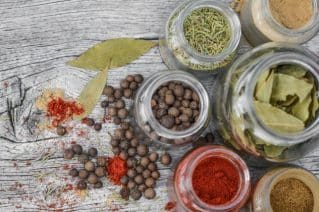
  • Complementary Cancer Therapy 7: Herbs and Supplements -- It’s true that many conventional medicines were developed from botanicals and herbal therapies. However, when used in their unprocessed state, as supplements, “special natural formulas,” and herbal remedies, most have not been shown effective in treating or preventing cancer. In fact, many of the so-called natural cancer cures may cause harm. They can damage other organs and even lead to death. Also, anything you ingest could interact with conventional cancer treatments.
  • However, some herbs and supplements may help with your symptoms or ease some of the most unpleasant side effects of treatment. For instance, peppermint may ease nausea and vomiting, and there also is evidence that taking ginger by mouth might help reduce chemotherapy-induced nausea.

  • Complementary Cancer Therapy 8: Irrigation and Enemas -- The Internet abounds with ads for “cleansing colon treatments” and enemas that are touted to prevent or cure cancer by clearing “toxins” and “unhealthy buildup” out of your colon. There is no scientific basis whatsoever for these claims. What’s more, frequent use of laxatives and enemas can cause dehydration and other health problems. Also, these treatments are not very pleasant. If you did not enjoy the colonic cleansing you underwent before colonoscopy, you probably won’t like these very much, either.


Posted in Colon Cancer on April 1, 2008

Registered Users Log-in:

Email:

Password:

Remember me
Forgot Password?

Become a Registered User!
It's fast and FREE!
The Benefits of Being A Registered User

Health Topic Pages

Arthritis +Add
Back Pain & Osteoporosis +Add
Caregivers | Caregiving
Colon Cancer +Add
Complementary Medicine
Depression & Anxiety +Add
Diabetes +Add
Digestive Health +Add
Exercise and Fitness
Healthy Living +Add
Heart Health +Add
Hypertension & Stroke +Add
Lung Disorders +Add
Memory +Add
Men's Health
Nutrition +Add
Prescription Drugs +Add
Prostate Disorders +Add
Sexual Health
Vision +Add
Weight Control +Add
Women's Health
Health Alert Special Report


Johns Hopkins’ Bestsellers

Colon Cancer

Our Featured Title:

Johns Hopkins White Papers

  • 2008 Colon Cancer White Paper
    Although colon cancer is the third most common cause of cancer overall in the US, and the second leading cause of cancer-related deaths, it's one of the most curable of all cancers when diagnosed and treated in its early stages. In The Johns Hopkins White Paper: Colon Cancer, specialists from Johns Hopkins Medicine report in-depth on the latest colon cancer screening tests, prevention strategies, and treatments.
    Read more or order the INSTANT PDF DOWNLOAD EDITION
    Read more or order the PRINT EDITION


    Other Titles of Interest

  • 2008 Digestive Disorders White Paper
    The latest news and breakthroughs to help you relieve your symptoms if you suffer from: acid reflux (GERD), sour stomach, peptic ulcers, dysphagia, achalasia, Barrett's esophagus, esophageal spasm and stricture, gastritis, gallstones, diarrhea, constipation, Crohn's disease, and ulcerative colitis.
    PLUS, get your special discount and FREE Special Report: Good News For Your Gut through this exclusive web-only offer.
    Read more or order the INSTANT PDF DOWNLOAD EDITION
    Read more or order the PRINT EDITION

  • The Johns Hopkins Medical Letter: Health After 50
    Since 1988, Hopkins experts have been reporting the latest cutting-edge information on treating the major medical conditions affecting those over 50. Women's health, men's medical concerns, nutrition, weight control, breakthroughs on colon cancer, and more, direct to you every month from our specialists. Read more, collect your FREE trial issue, or order now and receive two FREE Special Reports...

    Reference Books

    Johns Hopkins Medical Guide to Health after 50

  • The Johns Hopkins Medical Guide to Health After 50
    A comprehensive home medical encyclopedia that gives you a “crash course” on more than 100 major medical concerns of men and women over 50! Organized in an easy-to-use A to Z format, the Medical Guide provides in-depth explanations of the many chronic health problems associated with aging – high blood pressure, stroke, high cholesterol, coronary heart disease, Alzheimer's disease, diabetes, osteoarthritis, dementia, memory loss, prostate cancer, breast cancer, and gallstones, to name but a few.Read more or order...

    Johns Hopkins Symptoms and Remedies

  • Johns Hopkins Symptoms and Remedies
    This easy-to-use reference book can help you pinpoint the causes of hundreds of disorders, from abdominal pain to skin rash to swollen glands. The book is divided into two distinct sections: symptoms, which includes charts covering a wide range of common symptoms and possible diagnoses, and disorders, which discusses the disorder, its causes, prevention advice, treatment strategies, and other crucial information so you will be able to either treat yourself at home, or know when it's time to call a doctor. Read more or order...


    Other Johns Hopkins Reference Books

  • The Johns Hopkins Consumer Guide to Drugs
    Contains drug profiles on more than 750 medications–both prescription and over-the-counter, most commonly used by people over 50, all presented in our unique page-at-a-glance format, designed with you in mind, the busy person who wants the most reliable health information available at your fingertips. Your guide also includes an invaluable overview of dietary supplements and how they can interact with certain medications, the dangers of taking your pills with grapefruit juice, and more. Read more...

  • The Johns Hopkins Consumer Guide to Medical Tests
    Created to help you understand the essentials of the many tests now used for diagnosing major illnesses. Each test profile gives you a thorough understanding of why the test is being given, the costs involved, and what you can expect before, during, and after the test. Above all, your guide will help you understand what your results mean, and what to look out for after the test to stay safe. Make more educated decisions about your health and medical care with the help of this unique guide.


  • COME SEE WHAT'S NEW IN THE BOOKSTORE!


    ALL NEW!Number One of America's Best Hospitals 2007: Johns Hopkins

    Johns Hopkins has been ranked #1 again in the Honor Roll of America's Best Hospitals by
    U.S. News and World Report for the 17th consecutive year.


    Please visit here for more information about Johns Hopkins Patient Services


    Medical Disclaimer: The information on this page is not intended to substitute for the advice of a physician.


    Please send me Johns Hopkins Symptoms and Remedies


    Johns Hopkins Symptoms and Remedies cover
    Yes! Please send me the Johns Hopkins Symptoms and Remedies for just $29.85, plus shipping and handling. If I am not satisfied, I may simply return the book within 30 days and owe nothing.

    Johns Hopkins Symptoms and Remedies is an easy-to-use reference book that can help you pinpoint the causes of hundreds of disorders, from abdominal pain to skin rash to swollen glands. The book is divided into two distinct sections:

    Symptoms: Charts organized from A to Z which cover a wide range of common symptoms and possible diagnoses

    Disorders: Organized alphabetically by disease, each entry contains:

  • What it is.
  • A full list of symptoms.
  • How it is diagnosed.
  • How to treat it.
  • Whether or not you can treat it yourself.
  • Prevention strategies.
  • When to call your doctor.
    ...and much more!

    This award-winning encyclopedia belongs in the home library of anyone interested in healthy living after 50! And now you can try it risk-FREE during your 30-day home examination.


  • Risk-FREE.
    Fill out the form and click "Submit my order."

    First Name

    Last Name

    Address

    Address2

    City

    State

    Zip

    Email Address (required)

    < Please send me my FREE Johns Hopkins Healthy Living Health Alerts!

    Your risk-FREE preview. Johns Hopkins Symptoms and Remedies is yours to review risk-FREE for 30 days. If you are not satisfied for any reason, simply return the book, no questions asked.

    Why Johns Hopkins?


    © 2008 Medletter Associates, LLC. All rights reserved.
    Contact Us
    customerservice@johnshopkinshealthalerts.com