

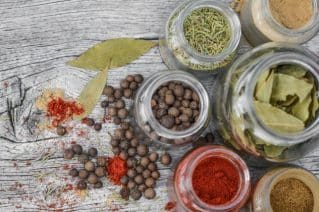
Most people are able to meet their nutritional needs by eating a variety of nutrient-packed foods. While there is little evidence that the average person benefits from the daily use of a multivitamin-mineral supplement, there also is little evidence of harm from taking supplements that do not exceed 100% of recommended intakes of nutrients. More...
Perceptions of normal portion size have ballooned over the past 20 years -- increasing by 20 - 40% and adding substantial calories to our daily totals. And according to a recent study, the larger the size of a fast-food meal, the more likely that you will underestimate its calorie content. More...
Exercise doesn't have to be a chore to offer health advantages. The latest studies suggest that 'soft' exercises, such as yoga, dog walking, and gardening, can help you manage your weight.
Most of these soft exercise activities are not extra-large calorie burners. But they do get you up and moving and away from the TV and fridge. Here are few exercises you might try to lose weight and enjoy yourself. More...
Looking for a way to up your consumption of fresh fruit? A recent study confirms that fresh-cut fruit stays fresh and nutritious for up to 6 days in the supermarket.
Fruits, vegetables, and other plant foods are packed with ingredients in addition to vitamins, minerals, and fiber. From anthocyanins (the red pigment in strawberries and cherries) to allylic sulfides (which are responsible for the pungent flavor of garlic and onions), these compounds, which are also known More...
Researchers are trying to develop a vaccine that suppresses ghrelin -- a hormone secreted by the gut into the blood that acts on the brain to stimulate appetite. Eating more calories than you expend is an important cause of obesity. In fact, regardless of your genetic predisposition to obesity or your resting metabolic rate, you cannot gain weight without consuming more calories than you burn. More...
A panel of experts from the American Heart Association questions the benefits of consuming soy-based foods and supplements to reduce cardiovascular risk ... and offers bottom-line advice.
Tofu, soy protein, soymilk, soy flour, soy butter, and edamame (edible green soybeans) are all phytochemicals -- compounds from plant goods that may help to lower the risk of certain diseases. Tofu and other soy products are mild tasting and pick up the flavor of the foods they are More...
As we age, our thirst response is blunted. As a result, many older Americans may not be drinking enough water and may be at risk for dehydration, according to a report in the American Journal of Nursing (Volume 106, page 40).
Water is an essential nutrient because it is involved in all the processes in your body. Since water needs vary with diet, physical activity, environmental temperature, and other factors, it is difficult to pin down More...
Weight control is far more complex than simply balancing calories consumed with energy expended. Here are 10 top (alternative) reasons why Americans are overweight and some may surprise you.
Rates of obesity are higher than ever in the United States. According to the Centers for Disease Control, more than six in 10 American adults are overweight or obese -- and most adults are about 25 lbs heavier than people were in the 1960s. To make More...
Functional foods have some health benefits, but functional foods are not a substitute for a healthy lifestyle or any medications your doctor may prescribe.
Peruse the shelves of your local supermarket and you're sure to find a proliferation of functional foods -- products that contain ingredients that purportedly offer health benefits, from lowering blood pressure and cholesterol to boosting your bodys immune system. But do these health products really provide the benefits their labels tout? Here More...
Even if youre not a vegetable fan, there's a lot you can do to get the recommended 2-4 cups of vegetables a day.
Your whole life youve been told, "Eat your vegetables! And its good advice. Vegetables contain nutrients that are essential to your health and may reduce your risk of a myriad of chronic diseases from heart disease to diabetes and some cancers. The latest food pyramid recommends that you eat 2-4 cups of vegetables More...
Here are 10 practical tips to help you avoid foodborne illnesses while you enjoy your vegetables.
Meat, poultry, and eggs are not the only foods that can cause foodborne illnesses. According to the Centers for Disease Control and Prevention (CDC), contaminated vegetables (and fruits) also are to blame. Follow these guidelines for safe vegetable preparation from the CDCs FightBac! campaign: Vegetable guideline 1: Do not buy vegetables that are bruised or damaged. If blemishes or More...
In terms of protein, total fat, and calories, 1 oz of nuts is roughly equivalent to 2 oz of lean meat plus 2 tsp of vegetable oil. Nonetheless, the health benefits of nuts are considerable, as Johns Hopkins nutritionist Lora Brown Wilder explains.
Ask any nutritionist today about nuts, and he or she will tell you they are good for you -- in moderation, of course. Thats a whole new way of thinking about nuts, More...
By now youve probably heard that trans fat is one of the unhealthiest fats in the American diet. Thats because trans fat not only raises low-density lipoprotein (LDL, or bad) cholesterol but trans fat also lowers the good high density lipoprotein (HDL) cholesterol. In fact, trans fat is so harmful to your health that the Institute of Medicine says there is no safe level of intake and recommends consuming as little trans fat as possible. More...
Clean your plate! Its a mantra in America, and a contributor to the ever-increasing obesity problem. A major part of the obesity problem is portion sizes, which have grown substantially over the past four decades: A Coke has increased from 6.5 to 20 fl oz. or more, a bagel from 23 to 46 oz., and a chocolate bar from 1 to 1.58 oz. More...
Everyone knows that its unhealthy to be very overweight. But what if you are obese but still relatively physically fit? Does being fit cancel out the health risks of being obese, or at least some of them? In other words, is it possible that being obese isnt the real problem, but rather being unfit? More...
Despite the negative publicity theyve gotten over the past few years, all carbohydrates are not bad for your health.
You may have heard of the Glycemic Index, which measures how fast a carbohydrate is digested and raises blood sugar levels. The lower the glycemic value, the more staying power a food has and the longer it will suppress your appetite. The higher the Glycemic Index of a carbohydrate, the faster it is broken down in the More...
If you consume more calories than you expend, those extra calories will be stored primarily as fat regardless of whether the extra calories come from fats, carbohydrates, or proteins. Johns Hopkins experts explain the dangers of fat cell secretions.
It used to be thought that fat cells -- known as adipocytes in medical terminology -- were just storage bins for excess calories. Today, however, it is clear that adipocytes are very active cells that produce and More...
Eating more calories than you expend is an important cause of obesity. In fact, regardless of your genetic predisposition to obesity or your resting metabolic rate, you cannot gain weight without consuming more calories than you burn. Even small excesses in calorie intake can add pounds over the long term. More...
B vitamins are vital for the breakdown and utilization of carbohydrates, fats, and proteins, and B vitamins also help to ensure proper functioning of the nervous system and the synthesis of red blood cells and genetic material. Folic acid, one of the B vitamins, is essential during the early months of pregnancy to prevent birth defects, such as spina bifida and cleft palate. More...
Six weight loss lessons from the National Weight Control Registry
Who better to glean weight loss tips from than people whove successfully lost weight and not put it back on? Thats the idea behind the National Weight Control Registry, a database of about 4,500 men and women who have maintained a 30 lb. or greater weight loss for at least a year. (In fact, the average member of the registry has lost around 60 lbs. and More...
Johns Hopkins Nutrition and Weight Control Health Alert: New Findings on Folic Acid and Fish Oil Supplements Folic Acid Reduces High Blood Pressure Risk in Women
Getting enough of the B vitamin folic acid is not only good for women looking to prevent birth defects in their future children, but folic acid may also protect them against high blood pressure, according to a 2005 study in the Journal of the American Medical Association. More...
More Americans are turning to organic foods out of a concern for the environment as well as a desire to minimize exposure to certain chemicals in food. As a result, the market for organic foods is thriving. Over the past decade, consumer demand for organic foods in the United States has increased 20% or more each year. The Food Marketing Institute estimates that approximately 40% of all U.S. shoppers have purchased at least one organic food product. A diverse array of organic goodsfrom produce to frozen organic foodsis readily available to consumers, and the popularity of organic foods is expected to continue. Now that retail giant Walmart has announced plans to sell organic foods in many of its markets, popularity of organic foods is certain to increase sharply. More...
One more reason to get a good nights sleep: a recent study shows that people who sleep the least weigh the most!
Unfortunately, more and more Americans suffer from chronic sleep deprivation, with over one third of American adults now sleeping less than seven hours each night. Getting less than the recommended seven to nine hours of sleep a night can lead to poor concentration, raise the risk of colds and other infections, and leave More...
Theyre delicious and full of heart-healthy antioxidants. Should you add pomegranates to your diet?
The pomegranate, a rosy-red fruit containing glistening red seeds surrounded by pulp, is harvested in the autumn and is now starting to appear in produce sections. An ancient fruit native to the Middle East, the pomegranate has long been valued for its supposed medicinal properties. Recently, scientists have begun gathering evidence to support some of these claims. Recent laboratory studies suggest More...
More than 90,000 cancer deaths a year could be prevented if American adults maintained a healthy weight.
An impressive amount of scientific evidence has established obesity -- defined as a body mass index (BMI) of 30 or more -- as a risk factor for developing various types of cancer. Obesity also increases the risk of dying of cancer, even for those forms of cancer for More...
Liposuction is appropriate only for people of normal or near-normal weight who have stubborn fat deposits that do not respond to diet and exercise. More...
While BMI (body mass index) is a general assessment of body weight and disease risk, waist circumference provides a more specific measure of health risk because waist circumference indicates harmful abdominal fat. More...
Studies suggest that an increase of 5 to 10 g per day in soluble fiber intaketwo to four extra servings of fruits and vegetablesreduces cholesterol levels by about 5%. More...
YES! Send me my FREE Special Report and FREE Health Alerts.
Johns Hopkins Bestsellers
Nutrition and Weight Control
Our Featured Title:
2008 Nutrition & Weight Control White Paper Featured highlights for 2008 include: the alarming truth about trans fats that food manufacturers hope you never learn; forget what youve heard: Here are the REAL reasons Americans are too fat; the best way to rev up your aging metabolism to burn more calories; what everyday life is really like after bariatric (obesity) surgery; a whole new way of thinking about nuts, and why nut-eaters tend to weight less; nutritionists' shortcuts for getting the 2 to 4 cups of vegetables your body needs every day; and much, much more. PLUS, get your special discount and FREE Special Report: Better Health by the Plateful! through this exclusive web-only offer. Read more or order the INSTANT PDF DOWNLOAD EDITION Read more or order the PRINT EDITION
Related Titles:
2008 Heart Attack Prevention White Paper Featured highlights for 2008 include: new research on inflammation as the cause of heart attacks; whos a candidate for a stress test, and why its not for everyone; why doctors are debating metabolic syndrome, and its role in your risk of heart attack; when every minute counts: what to do first and fast in the event of a heart attack; are premium cholesterol tests better than the standard ones? Johns Hopkins doctors speak out; WARNING: medications that can raise your risk of having a heart attack; steps you can take NOW to reverse plaque build-up in your arteries; and much more. PLUS, get your special discount and FREE Special Report: Tested, Proven Ways to Save Your Heart through this exclusive web-only offer. Read more or order the INSTANT PDF DOWNLOAD EDITION Read more or order the PRINT EDITION
2008 Coronary Heart Disease White Paper This White Paper reports on the latest life-saving advances for your heart health, to help you prevent or treat coronary heart disease. Topics include angina; cardiac arrhythmias; and congestive heart failure. Feature highlights for 2008 include: the promise of stem cells to heal the heart after an MI; steps you must take quickly to survive cardiac arrest; how low is low enough, when it comes to your cholesterol; aortic stenosis: what to do when your aortic valve is narrowing along with your arteries; what an eye exam can reveal about the health of your heart; the latest on the first new angina drug in 20 years—will it be the answer to your chest pains?; the threat of sleep apnea to your heart, and how to lower your risk; and much more. PLUS, get your special discount and FREE Special Report: Healthier Heart, Longer Life through this exclusive web-only offer. Read more or order the INSTANT PDF DOWNLOAD EDITION Read more or order the PRINT EDITION
2008 Diabetes White Paper The 2008 Diabetes White Paper teaches you how to manage your Type 1 and Type 2 diabetes and avoid complications, such as foot problems and vision changes. It reviews the latest tools for monitoring your blood glucose and the newest medications for controlling it. Featured highlights for 2008 include: myths and misconceptions about insulin therapy; tests your doctor should be doing to detect diabetes-related nerve damage; the best insulin for people who inject just once a day; exploring your options when diabetes disrupts your sex life; special considerations for diabetics facing heart surgery; and much more. PLUS, get your special discount and FREE Special Report: Dealing with Diabetes through this exclusive web-only offer. Read more or order the INSTANT PDF DOWNLOAD EDITION Read more or order the PRINT EDITION
Recipes for Weight Loss Along with engaging in regular exercise and not smoking, keeping your weight under control is one of the most important ways to achieve good health. Any weight loss strategy should include foods that you will enjoy eating for the rest of your life, not just a few weeks or months. The recipes in this book use nutritious, readily available foods that offer a wealth of sensory pleasures and satisfying flavors and textures. Read more
The Johns Hopkins Medical Guide to Health After 50 A comprehensive home medical encyclopedia that gives you a crash course on more than 100 major medical concerns of men and women over 50! Organized in an easy-to-use A to Z format, the Medical Guide provides in-depth explanations of the many chronic health problems associated with aging high blood pressure, stroke, high cholesterol, coronary heart disease, Alzheimer's disease, diabetes, osteoarthritis, dementia, memory loss, prostate cancer, breast cancer, and gallstones, to name but a few.Read more or order...
Johns Hopkins Symptoms and Remedies This easy-to-use reference book can help you pinpoint the causes of hundreds of disorders, from abdominal pain to skin rash to swollen glands. The book is divided into two distinct sections: symptoms, which includes charts covering a wide range of common symptoms and possible diagnoses, and disorders, which discusses the disorder, its causes, prevention advice, treatment strategies, and other crucial information so you will be able to either treat yourself at home, or know when it's time to call a doctor. Read more or order...
Please send me The Johns Hopkins Medical Guide to Health After 50
Yes! Please send me The Johns Hopkins Medical Guide to Health After 50 for just $29.85, plus shipping and handling. I may review it risk-FREE for 30 days. If not completely satisfied, I may return the book, no questions asked.
The Johns Hopkins Medical Guide to Health After 50 is a contemporary health handbook for your home with the authority of Americas #1 medical center behind it. Only one book brings the full force of the worlds renowned health experts to bear on the unique health issues affecting men and women after 50.
Your risk-free review. Yours to review risk-free. If you are not satisfied with The Johns Hopkins Medical Guide to Health After 50 for any reason, simply return the book, no questions asked.